
What a Guitar Tech Actually Does During a Tour Day
GUITAR TECHS AREN’T LAZY (MOST OF THE TIME).
When working a show as a guitar tech, there is a lot more that goes on behind the scenes that concert goers have no idea about, weather that be a Guitar Tech, Lighting Guy, Drum Tech or Tour Manager each job role has an important daily routine that starts as soon as they wake up in their bunk, to as soon as they hit the hay. This article will take you through a day in the life of a Guitar Tech on tour.
EARLY ARRIVAL / LOAD IN.
As soon as you get to the venue it’s time to hit the bog get some breakfast then get started on the day. First I usually get a feel for the stage and venue to see where my workstation will live for the night to ensure I have easy stage access for the show as well as a clear view of the artists. Once this is done it’s onto unloading the gear from the truck and directing local crew workers on where to put things. After everything from the truck is in the venue, it is then time to help out with other things that need doing before the guitar rig can start getting set up. This includes lights in position and stage set being built. Sometimes the size of the venue means things have to be moved around, there have been numerous times my guitar workstation has been next to the pit in the crowd, this is why it is important to have a plan for the day as soon as you arrive.
SETTING UP THE GUITAR RIG.
Setting up the workstation.
Setting up the workstation is the first thing I’d do as it gives me a place where I can check all the gear and get organised ready for the day. This involves pulling everything into place setting up my peli and guitar boat ready for the instruments.
Guitars.
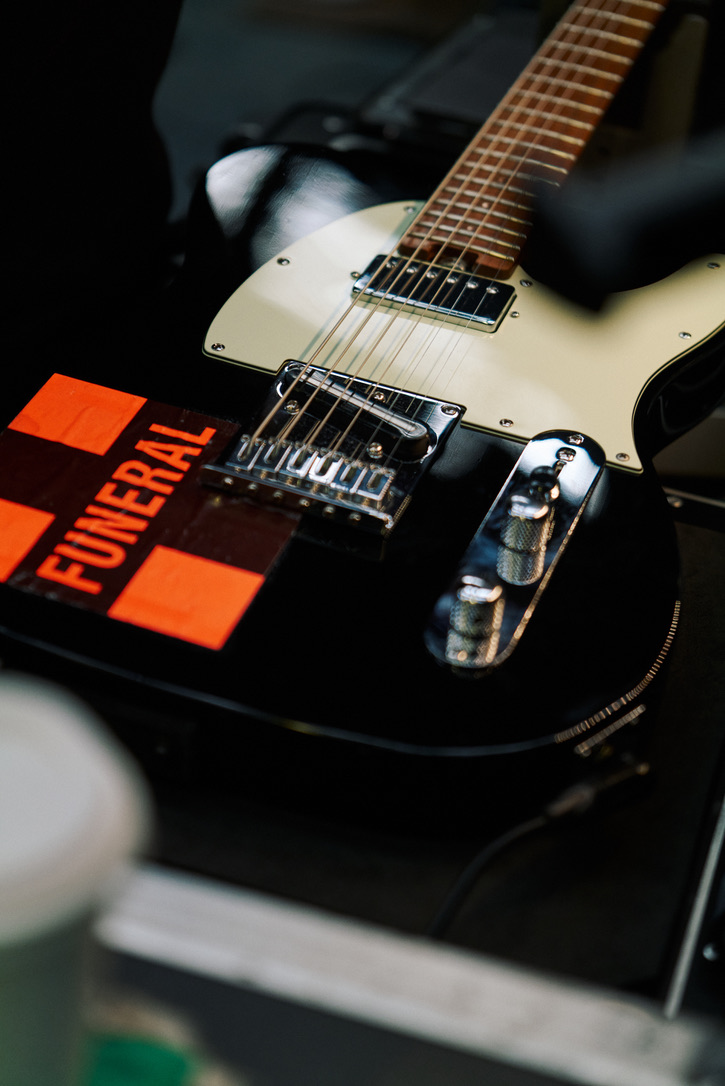
Once everything is in the same place (guitars, Guitar Rig and relevant cases) it’s time to crack open the guitar cases and cross our fingers that they are all good after transport. I tend to do a visual inspection of all the instruments to ensure nothing has broken from the truck and that all the guitars are as I left them the day before. Once this is done I will tune the guitars and start getting them adjusted to the different environment they will be living in for the day. I will also take note of what guitars need restringing and what ones are good to leave for the day.
Pedalboards / Wireless / Amps.
Once all the guitars are out on the boat and checked and tuned it’s time for me to set up the stage with the guitar cabs and pedal boards and run the cables from the rig to these, it’s important to run cables alongside each other and tape them down because tape is less expensive than injuries and more importantly so no one gets injured. I will then assign the correct frequencies to the correct wireless transmitters which lives on the guitars and then I am ready for line/sound check.
SOUNDCHECK RESPONSIBILITIES.
When it gets to sound check everything has to be pretty much show ready so the band can get a small practice in and check everything is in order with the gear and that they are happy. A bad sound check for an artist can put them in a bad headspace for the show so it’s important that this goes smoothly and any issues are ironed out before and if so, quickly during so everything can be correct for show. At this point everything should be set up for show and it’s time for downtime, kind of.
DOWNTIME THAT ISN’T REALLY DOWN TIME.
Once sound check is complete its time to start restringing guitars and cleaning instruments, depending on the day this can either be left for the next show or take up the whole day it depends on how much needs doing. Once I have all the strings changed on the guitars it’s important to continue tuning them throughout the day to make sure they are well adjusted to the different climate of the venue. I will then check all the barrieries in the guitars if they are active and check for any firmware updates for the digital aspects of the rig. Once this is all done it’s time to explore the city you are in and have some dinner ready for show.
PRE-SHOW ROUTINE.
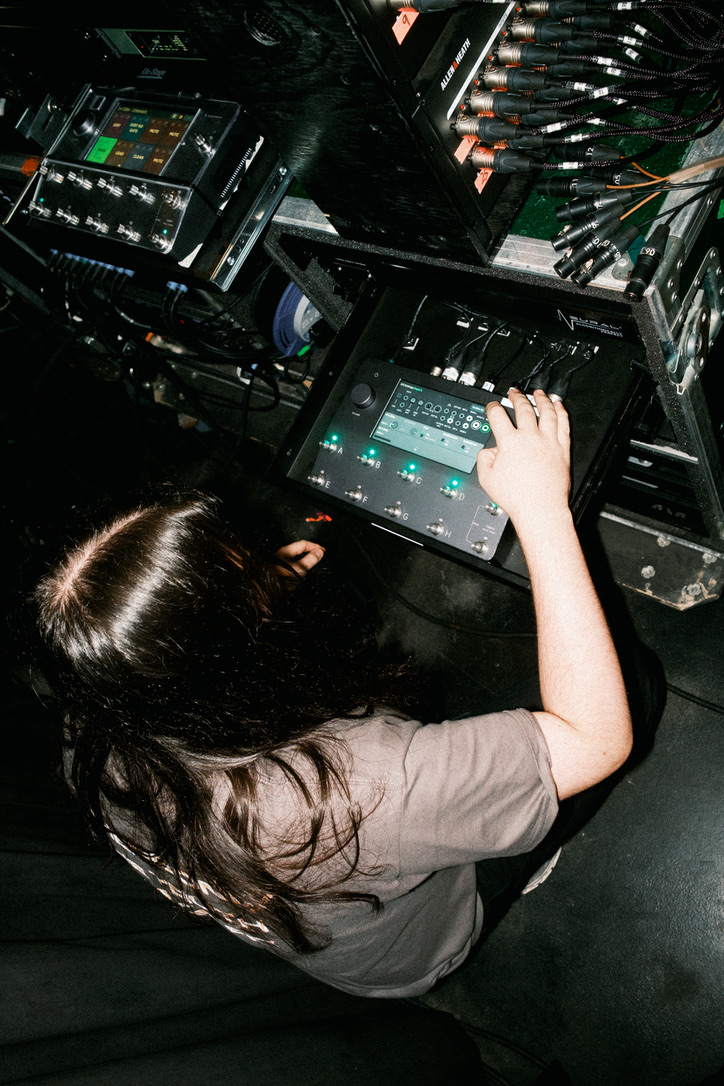
My pre show routine looks like a final check of the guitars tuning and checking if they are working, this usually happens during change over. Making sure any amendments to the setlist are made so I know the correct order of the songs and what guitars are used in what songs. For this I have a spread sheet that is colour coded with the corresponding guitar that is used for that song. I then check all midi is working by running a test patch and looking to see if the presets are changing on the digital amp modelers and also the pedal boards. Once this is all done it’s time for the show.
IT’S SHOW TIME.
Guitar Swaps
During the show, my responsibility is to hand the artist new guitars as and when they need them, this can be because of a tuning change, string break or if they need a specific guitar for that song. In between times I’m tuning up the guitars making sure the next guitar is ready well before it’s needed. It’s important that my full attention is on the artist at all times to make sure I can hop in without delay.
Live Problem Solving
Sometimes things can go wrong during the set, a wireless pack has found itself outside its pouch, string break mid solo, wireless receivers playing up, so it is important I am skilled in trouble shooting and that i can do so efficiently, without distracting the audience.
POST-SHOW BREAKDOWN.
Once the show is done and the lights go down the work isn’t over just yet, we still need to pack down the gear back into the truck and reflect on the pros and cons of the show that’s just happened, taking note and making sure any mistakes are corrected for the next night.
Once the truck is packed and everyone is fed and watered it’s back to the bus for some post show beers and bumpy nights to sleep to the next city.